Optimal Timing for Concrete Leveling
Concrete levelings are most effectively performed during specific weather conditions to ensure optimal results. Temperature, moisture, and seasonal factors play significant roles in the success of the process. Understanding the ideal timing can help achieve long-lasting, stable surfaces.
Concrete leveling is best done when temperatures are between 50°F and 85°F to prevent rapid drying or freezing issues.
Spring and early fall are preferred seasons due to moderate weather conditions and lower chances of extreme cold or heat.
Dry, overcast days with minimal rain are ideal to ensure the material cures properly and adhesion is maintained.
In colder regions, scheduling during late spring or early fall prevents freezing during curing, which can compromise the leveling.
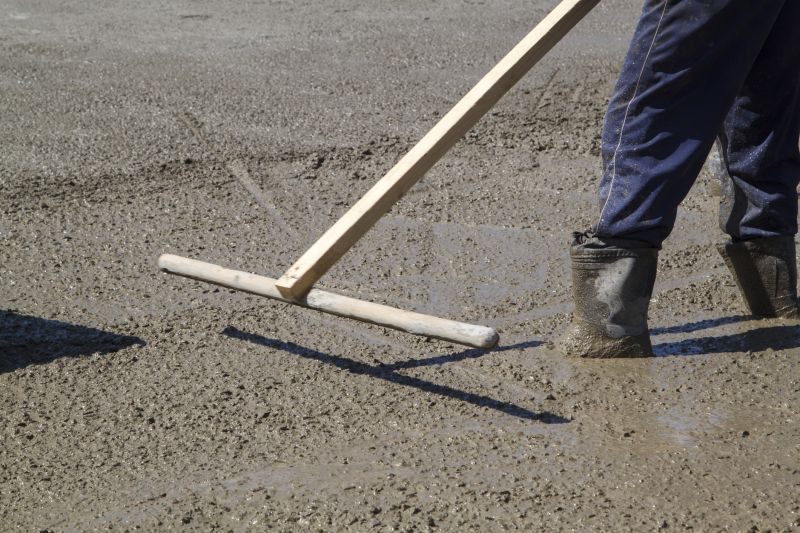
Spring offers moderate temperatures suitable for effective leveling and curing.
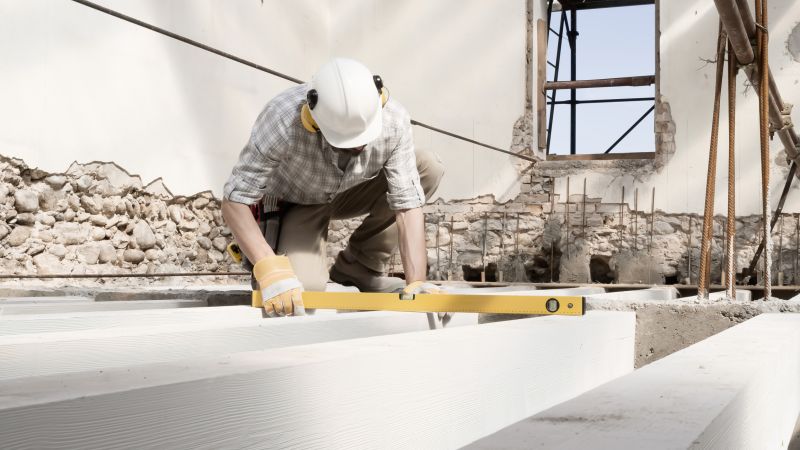
Early fall provides cooler weather, reducing the risk of rapid drying.
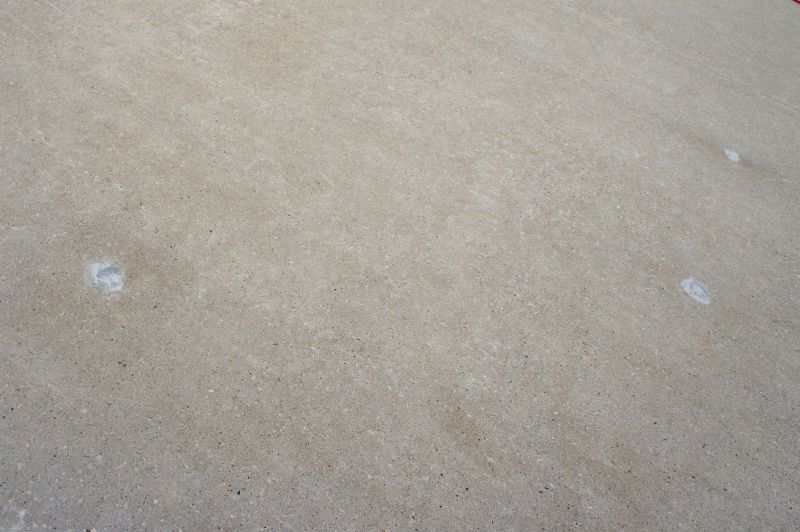
Dry, cloudy days are optimal for concrete leveling projects.
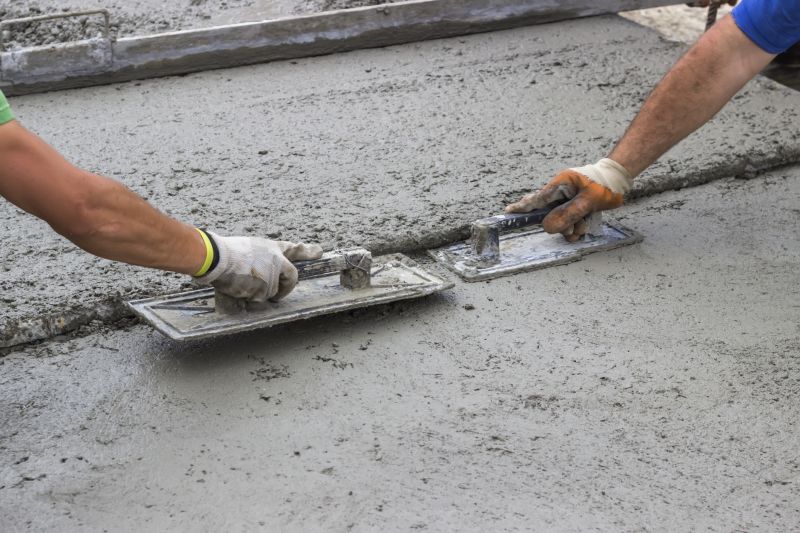
Monitoring weather forecasts ensures scheduling during the best conditions.
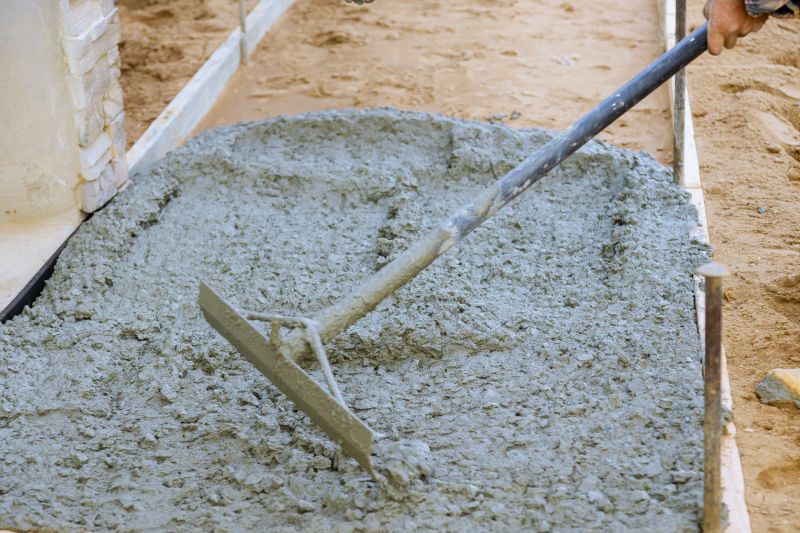
Ways to make Concrete Levelings work in tight or awkward layouts.
Popular materials for Concrete Levelings and why they hold up over time.
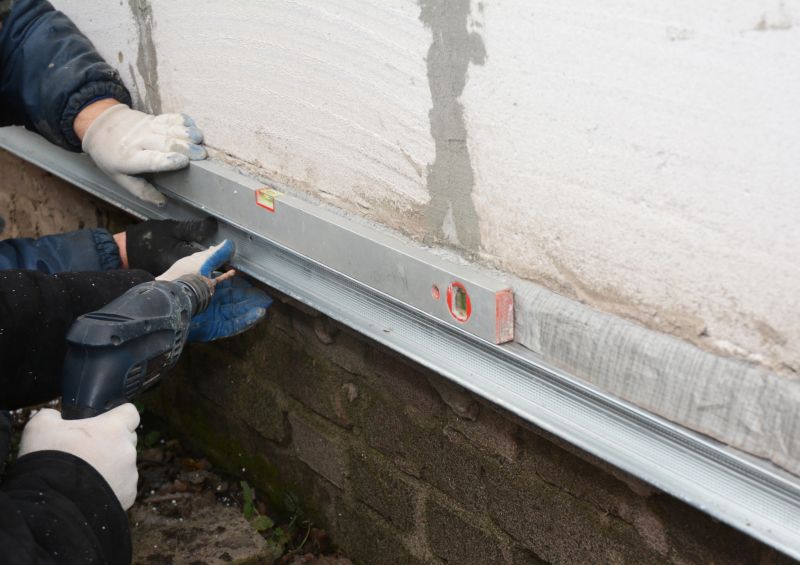
Simple add-ons that improve Concrete Levelings without blowing the budget.
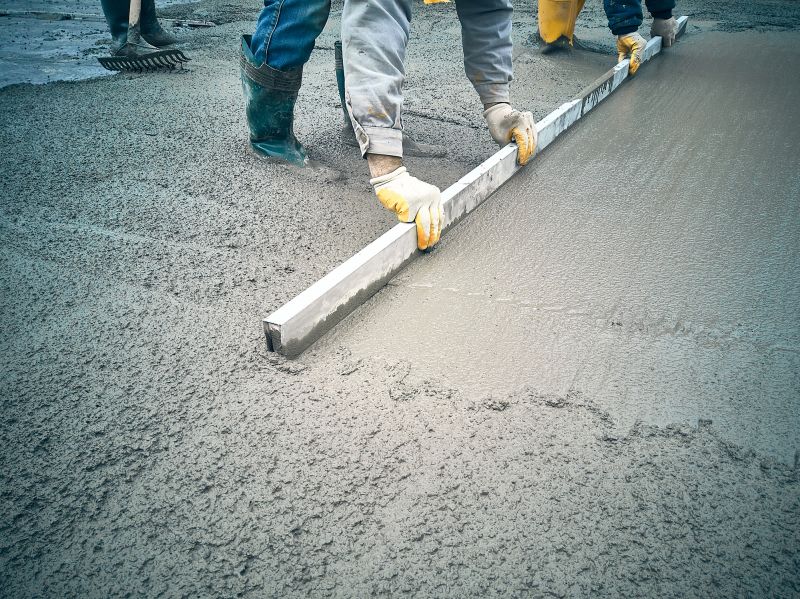
High-end options that actually feel worth it for Concrete Levelings.
| Season | Recommended Conditions |
|---|---|
| Spring | Moderate temperatures, dry weather, minimal rainfall |
| Summer | Early morning or late evening, avoid extreme heat |
| Fall | Cooler temperatures, dry conditions |
| Winter | Not recommended in freezing temperatures |
Concrete levelings involve raising and stabilizing sunken or uneven concrete surfaces to restore their proper slope and appearance. The process typically includes injecting a polyurethane foam or other leveling compounds beneath the slab. Proper timing ensures the materials cure correctly, leading to durable results. Seasonal and weather conditions significantly influence the quality and longevity of the leveling work.
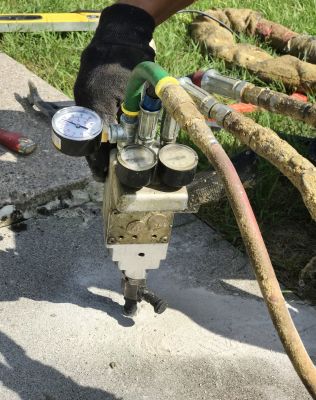
Injection of leveling compounds during suitable weather ensures optimal adhesion.
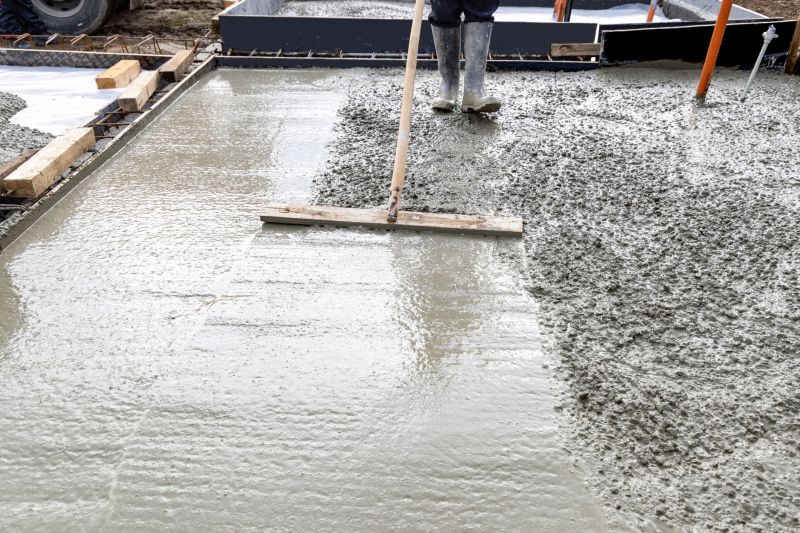
Proper curing depends on stable temperatures and dry conditions.
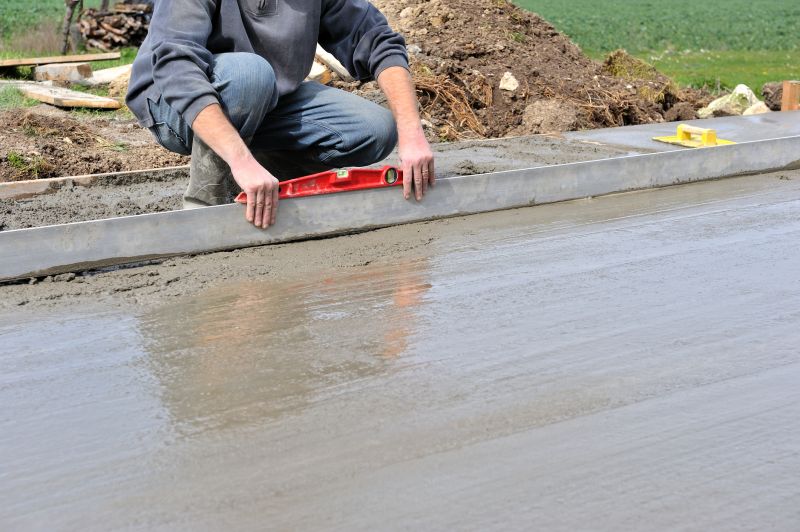
Results are most durable when performed in appropriate seasonal windows.
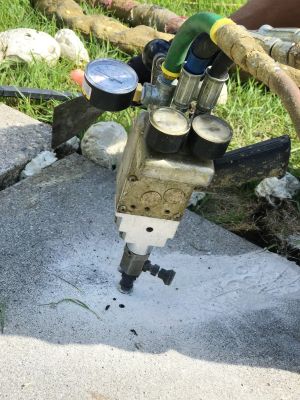
Tracking weather helps schedule concrete levelings at the best times.
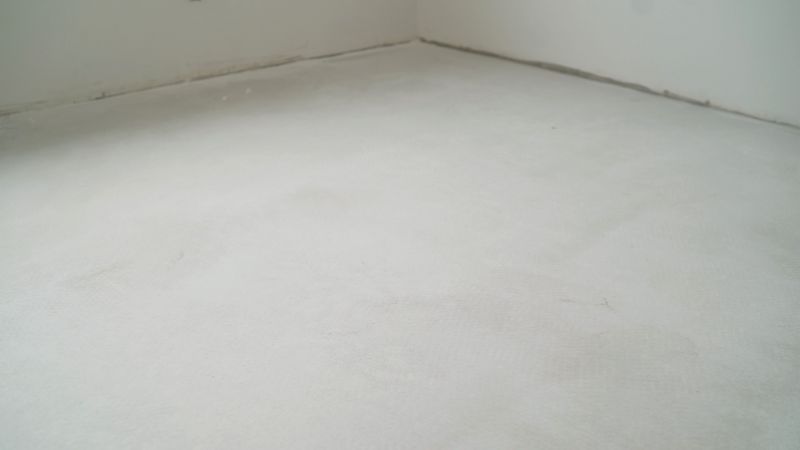
Finishes and colors that play nicely with Concrete Levelings.
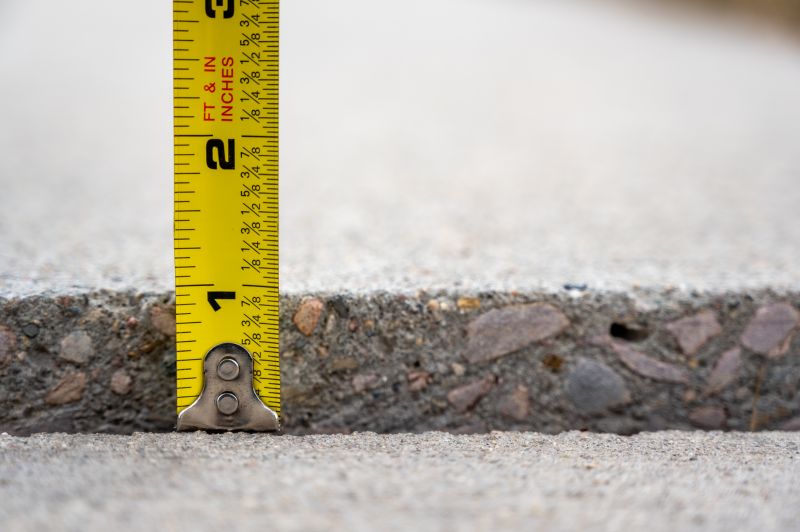
Little measurements that prevent headaches on Concrete Levelings day.
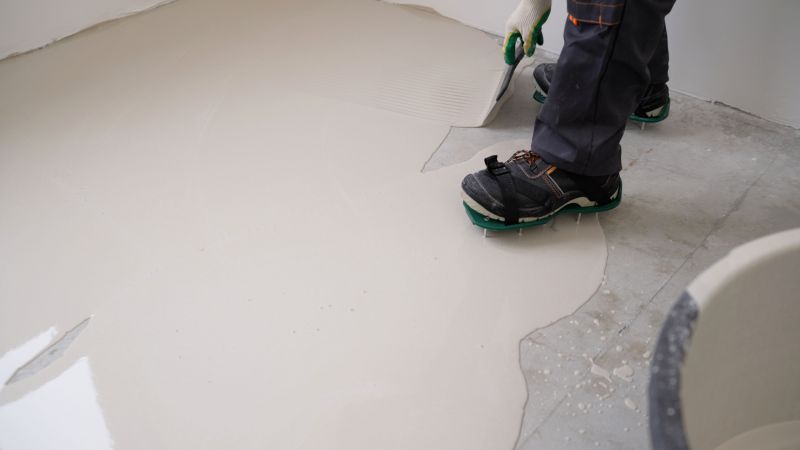
A 60-second routine that keeps Concrete Levelings looking new.
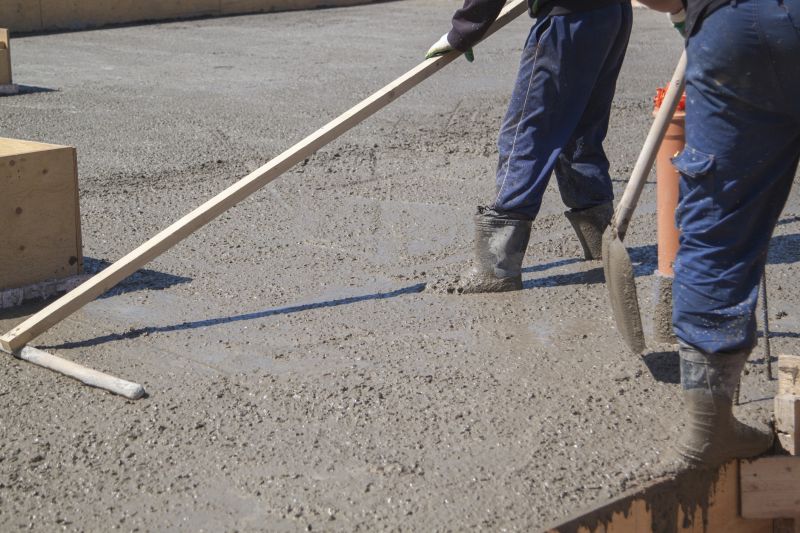
A frequent mistake in Concrete Levelings and how to dodge it.
Interested in scheduling a concrete leveling project? Fill out the contact form to receive more information.