
Ultimate Guide to Top Products For Concrete Leveling Applications
Find out which products professionals prefer for achieving perfectly leveled concrete surfaces efficiently.
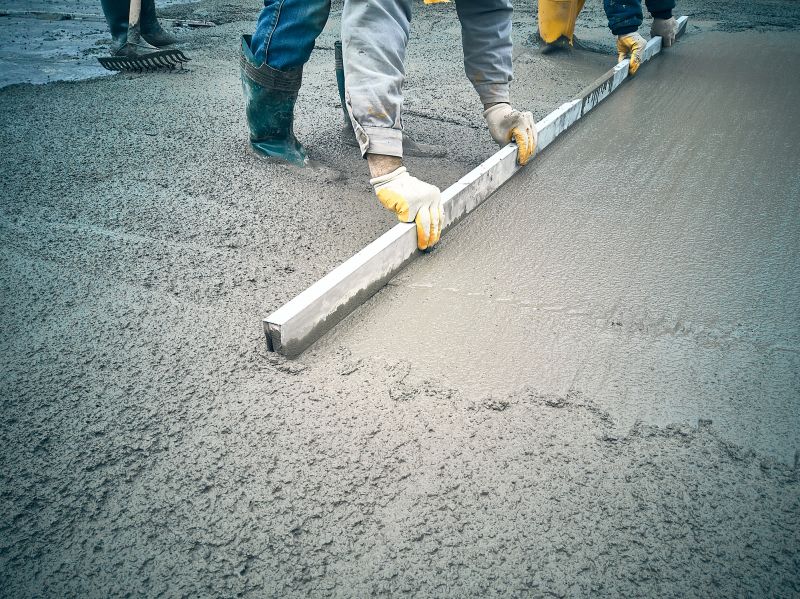 Concrete leveling is an essential process for maintaining the safety, appearance, and functionality of concrete surfaces such as driveways, sidewalks, patios, and garage floors. Over time, concrete can settle, crack, or develop uneven areas due to soil movement, moisture changes, or poor initial installation. Addressing these issues promptly can prevent further damage and improve the longevity of the surface. Various products are available to facilitate effective concrete leveling, each suited for different types of repairs and user expertise.
Top Overall Option
Self-Leveling Concrete Compound
A versatile self-leveling compound designed for smoothing uneven concrete surfaces, offering easy application and quick setting times. Ideal for interior and exterior projects, it provides a durable finish suitable for various load conditions.
Types of Products For Concrete Levelings
Polyurethane Foam Injection Kits
Used for lifting and stabilizing sunken slabs by filling voids beneath the concrete surface, providing a minimally invasive repair method.
Self-Leveling Underlayment
A liquid compound that flows easily to create a smooth, level surface, often used for interior floors before installing flooring materials.
Cement-Based Patching Mixes
Suitable for filling larger cracks and holes, restoring the surface's structural integrity and appearance.
Liquid Cementitious Pours
Fluid mixes used to fill cracks and minor surface imperfections, providing a seamless repair.
Concrete Resurfacing Products
Thin-layer overlays that restore and improve the appearance of worn or damaged concrete surfaces.
Polymer-Modified Mortars
Enhanced mortars that bond well to existing concrete, suitable for patching and leveling.
Epoxy Concrete Patches
High-strength epoxy formulations for filling cracks and bonding new material to existing concrete.
Fast-Setting Repair Mortars
Quick-curing mortars designed for fast repairs in high-traffic areas.
Hydraulic Cement Mixes
Water-activated mixes ideal for stopping leaks and repairing cracks exposed to moisture.
Polyurethane Sealants
Flexible sealants for sealing joints and cracks to prevent water infiltration and further damage.
Popular Choices
Widely used for raising sunken concrete slabs with minimal disruption, suitable for driveways and sidewalks.
Commonly applied for interior floor leveling before flooring installation, providing a smooth surface.
Pre-packaged kits for sealing and filling cracks, easy for DIY repairs.
Popular for restoring worn surfaces and improving appearance with a new layer.
Chosen for quick repairs in high-traffic or commercial areas where downtime must be minimized.
Effective for structural crack repair and bonding, often used in commercial settings.
Popular for sealing active leaks and cracks exposed to moisture or water pressure.
Flexible and durable options for patching and leveling small to medium surface imperfections.
Convenient for fast repairs needing minimal downtime, suitable for various surfaces.
Used to seal expansion joints and control joints, preventing debris buildup and water infiltration.
These products typically include self-leveling compounds, polyurethane foam injections, and cement-based patching mixes. Self-leveling compounds are often used for small to medium-sized surface repairs and are valued for their ease of application and fast-curing properties. Polyurethane foam injections are popular for lifting sunken slabs and filling voids beneath concrete, providing a minimally invasive solution that can restore the surface to a more even state. Cement-based patching mixes are suitable for filling larger cracks or holes and restoring structural integrity.
When selecting products for concrete leveling, it is important to consider the specific needs of the project, including the size and depth of the area to be repaired, the load-bearing requirements, and the environmental conditions. Proper preparation, including cleaning and drying the surface, enhances product adhesion and effectiveness. Additionally, understanding the application process and drying times can help ensure a durable and professional-looking result. With the right products and techniques, homeowners and contractors can achieve a level, safe, and attractive concrete surface that meets their needs.
Key Buying Considerations
- Identify whether the repair requires lifting, filling, or resurfacing to choose the appropriate product type.
- Consider the size and depth of the area to be repaired to determine the quantity and strength needed.
- Check compatibility with existing concrete surfaces to ensure proper adhesion and performance.
- Evaluate the curing and drying times to plan the repair process effectively.
- Assess environmental conditions such as moisture, temperature, and exposure to elements that may influence product performance.
- Determine if a product is suitable for interior or exterior use based on the project location.
- Look for ease of application, especially if undertaking DIY repairs, including mixing and handling requirements.
- Review the load-bearing capacity and durability of the product to match the intended use of the concrete surface.
- Consider whether the product allows for future repairs or adjustments without difficulty.
- Ensure safety data and handling instructions are clear, especially for chemical-based products.
- Select products with clear instructions and support materials to facilitate proper application.
- Verify the compatibility of multiple products if combining for comprehensive repair solutions.
- Check for any special preparation requirements such as cleaning, priming, or surface roughening.
- Review user feedback and ratings for insights into product performance and ease of use.
- Consider cost-effectiveness by comparing the coverage, durability, and application complexity relative to budget.